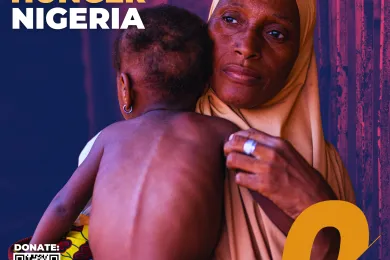

The Nigerian Red Cross Society (NRCS) has a storied history that began as the British Red Cross. In 1960, the Nigerian Parliament passed the Nigerian Red Cross Bill into law, establishing the NRCS officially. Before long, the Nigerian Red Cross Society was born as Nigeria’s largest humanitarian organization, boasting a volunteer strength of over 800,000 spread across the country's 774 Local Government Areas. According to the Nigerian Red Cross Act of 1960, CAP 324, the Society is recognized by the Government of the Federation as a Voluntary Aid Society, auxiliary to public authorities. This Act, along with the Geneva Conventions to which Nigeria is a party, forms the core mandate of the NRCS, legally obligating us to support public authorities in humanitarian interventions.
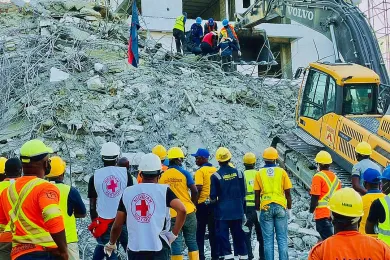
The NRCS plays a pivotal role in disaster management, swiftly responding to natural and man-made disasters to provide relief and support. We offer emergency shelter, food, water, and medical care to affected communities, ensuring that immediate needs are met while also working on long-term recovery and resilience-building initiatives. In the realm of health care, the NRCS conducts programs focused on infection prevention and control, and infectious disease prevention. These efforts are crucial in reducing the spread of diseases and improving public health outcomes. We also prioritize first aid training, equipping volunteers and communities with the skills needed to handle emergencies and provide immediate care before professional help arrives.
Recently, the NRCS has been addressing the challenges posed by climate change, implementing programs to help communities adapt to changing environmental conditions. These initiatives include awareness campaigns, sustainable practices, and resilience-building projects. By integrating climate change adaptation into our humanitarian work, the NRCS ensures that communities are better prepared to face the impacts of climate change. Overall, the Nigerian Red Cross Society continues to uphold its mandate of providing humanitarian aid and support, driven by its commitment to serve the most vulnerable in society.